
Overview of programs:
Brixham Montessori Friends School offers thoughtfully designed programs for children 18 months through 10 years (toddler through lower elementary, grades 1-4), rooted in Montessori philosophy and responsive to the needs of growing families.
Program Structure & Schedule
Our programs are designed to support children’s development while offering flexibility for families:
Toddler Program (18 months - 3 years)
5-Day morning program: 8:30 am-11:45 am
5-Day full day program: 8:30 am-3:00 pm4-Day morning program: 8:30 am-11:45 am, MTTrF only (limited spaces)
4-Day full day program: 8:30 am-3:00 pm, MTTrF only (limited spaces)3-Day morning program: 8:30 am-11:45 am, MTW or WTrF only (limited spaces)
3-Day full day program: 8:30 am-3:00 pm, MTW or WTrF only (limited spaces)Preschool Program (3 years – 5 years)
5-Day morning program: 8:30 am-11:45 am
5-Day full day with part-time options for the afternoon available: 8:30 am-3:00 pmExtended Day Program (5 years - 6 years, grade K)
8:30 am-3:00 pm, M-FElementary Program (6 years - 10 years, grades 1-4)
8:15 am-3:00 pm, M-F
Before & After Care
Early morning care begins at 7:30 am
Afternoon care available until 5:00 pm
Learning at Each Child’s Pace
At both the preschool and elementary levels, children learn in mixed-age classrooms that allow them to progress at their own pace- academically, socially, and emotionally.
Classroom environments are intentionally prepared to support self-directed learning, rather than teacher-centered instruction. With small class sizes and low student-to-teacher ratios, teachers are able to offer individualized learning plans, one-on-one lessons, and small group instruction that meet each child where they are.
This approach builds confidence, independence, and a deep sense of ownership over learning.
Learning Beyond the Classroom Walls
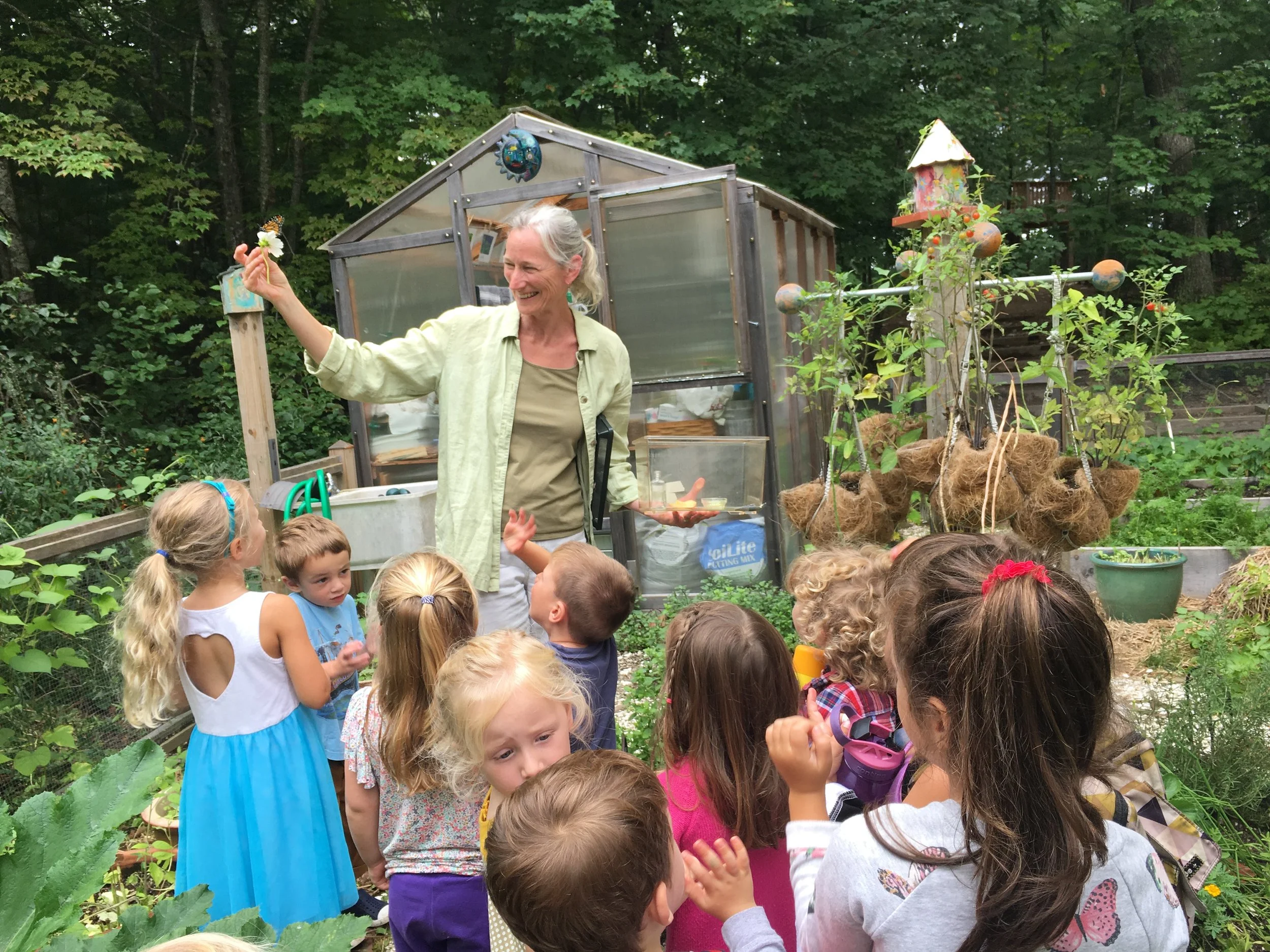
Each day at Brixham, children and teachers embrace the outdoors as an essential extension of the classroom.
Our campus includes a seasonal vernal pool and expansive wooded areas that invite exploration, inquiry, and connection to the natural world. Children observe seasonal changes, climb trees, build forts, gather natural materials, and engage in imaginative play- developing physical coordination, curiosity, resilience, and respect for the environment.
Outdoor learning supports not only physical development, but also creativity, problem-solving, collaboration, and a sense of wonder.
This holistic approach- honoring mind, body, and spirit- guides all of our programs and prepares children to become compassionate, capable, and engaged members of their communities.
“Behind all [Dr.] Montessori’s educational efforts was her continuous desire to create a better and more peaceful world by nurturing the spirit of each child. This nurturing, which differs from teaching a specific religion, helps children to see that they are called to a higher purpose than self-service or self-satisfaction. It includes time for silence and reflection, cultivating awe and wonder, respecting nature, caring for the earth, understanding and accepting others and fostering virtues such as love, peacefulness, kindness and compassion.”