What is Montessori?
Montessori education is a child-centered, research-based approach to learning developed in the early twentieth century by Dr. Maria Montessori- a physician, scientist, and visionary whose careful observation of children transformed the field of education.
Through her scientific study of how children learn best, Dr. Montessori discovered that children are naturally curious, capable, and eager to learn when they are supported in an environment designed for their developmental needs. Today, Montessori schools around the world continue to embrace this approach, offering learning environments that are developmentally responsive, intellectually rigorous, and deeply respectful of the whole child.
In a Montessori classroom, children develop independence, responsibility, and confidence as learners. They learn to make thoughtful choices, collaborate with others, and take pride in meaningful work- skills that prepare them not only for academic success, but for a lifetime of learning and personal fulfillment.
The Prepared Environment: Learning Through the Senses
At the heart of Montessori philosophy is the belief that children learn through their senses and absorb knowledge from their environment. Montessori classrooms are intentionally designed to support this natural way of learning.
Teachers carefully prepare the environment with materials that are:
Beautiful – inviting curiosity and care
Functional – purposeful and developmentally aligned
Relevant – connected to real learning and real life
Every material has both a direct aim (the skill being practiced) and indirect aims (such as concentration, coordination, independence, and self-discipline). The classroom is purposeful and calm, allowing children to engage deeply, work independently or collaboratively, and revisit concepts until mastery is achieved.
Multi-Age Learning & Individualized Instruction
Montessori education is organized into multi-age learning communities, grouped by developmental stages:
Ages 0–3
Ages 3–6
Ages 6–9
Ages 9–12
These three-year cycles allow children to learn at their own pace while benefiting from a rich social structure. Older children model skills and leadership; younger children observe, aspire, and grow. This dynamic fosters empathy, responsibility, and confidence.
Each classroom is typically guided by two trained Montessori teachers who work as partners- observing, preparing the environment, and offering lessons to individuals or small groups based on each child’s readiness and interests. Montessori teachers are certified through accredited Montessori teacher education programs and bring deep knowledge of child development to their work.
Educating the Whole Child
Beyond academics, Montessori education nurtures the social, emotional, and spiritual dimensions of a child’s growth. Children are encouraged to develop respect for themselves, for others, and for the natural world- cultivating compassion, peacefulness, and a sense of purpose.
This holistic approach- grounded in awe, reflection, kindness, and stewardship- prepares children not only to succeed in school, but to become thoughtful, engaged, and caring members of their communities.
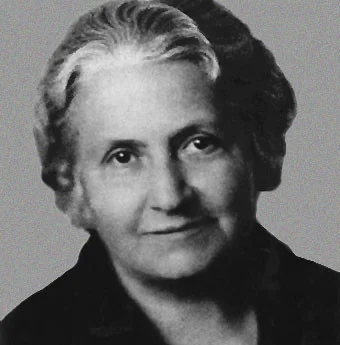
“Behind all of Dr. Montessori’s educational efforts was her continuous desire to create a better and more peaceful world by nurturing the spirit of each child.”